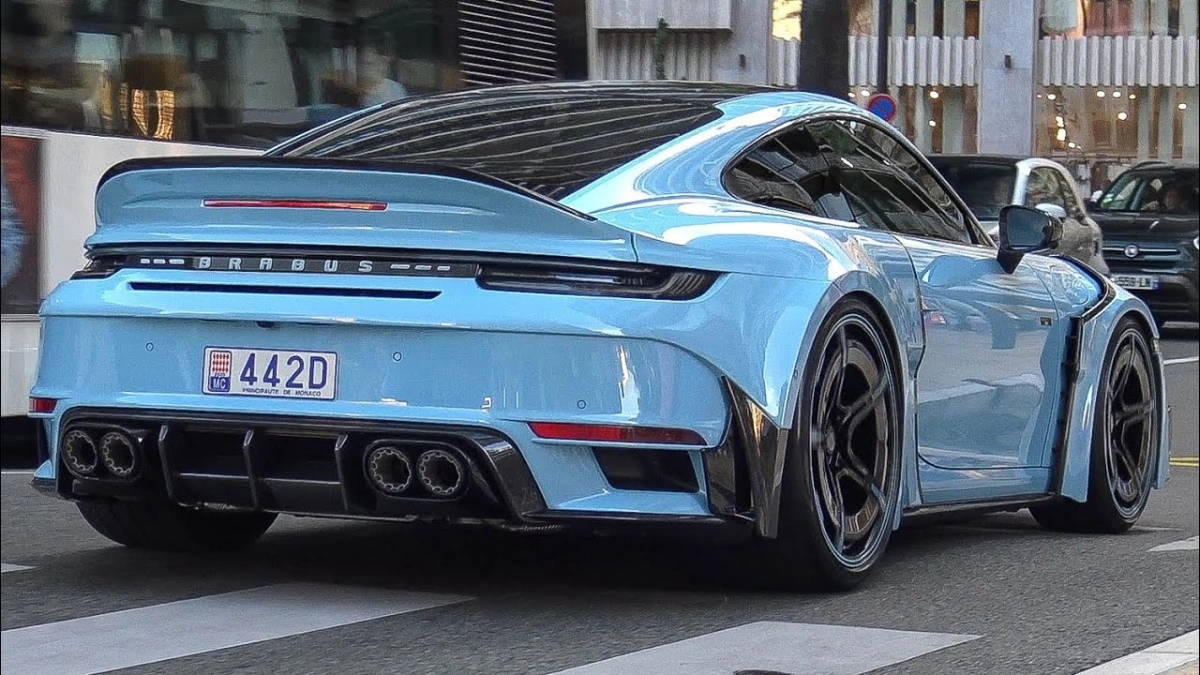
The Porsche 992 GT3 RS stands at the pinnacle of Porsche’s track-focused engineering, combining extreme aerodynamics, a screaming naturally aspirated engine, and cutting-edge chassis technology. Designed to dominate racetracks while remaining road legal, the GT3 RS pushes the boundaries of what a modern sports car can achieve.
A Radical Aerodynamic Package Inspired by Porsche Motorsport
The 992 GT3 RS features one of the most aggressive aerodynamic setups ever seen on a production Porsche. A massive swan-neck wing, active DRS system, wide fenders, integrated vents, and a redesigned front splitter generate race-car levels of downforce. At high speeds, the car sticks to the track with unmatched stability and precision.
Every surface of the GT3 RS is optimized for airflow, cooling, and control.
| Category | Details |
|---|---|
| Engine | 4.0L Naturally Aspirated Flat-Six |
| Power | 518 HP |
| 0–100 km/h | 3.2 seconds |
| Top Speed | 296 km/h |
| Downforce | Over 860 kg at 285 km/h |
High-Revving Flat-Six Engine with Pure Racing Emotion
The GT3 RS continues Porsche’s tradition of offering a naturally aspirated 4.0L flat-six that revs beyond 9,000 rpm. Producing 518 horsepower, the engine delivers instantaneous throttle response and a visceral sound that few modern supercars can match. The engine paired with a lightning-fast PDK gearbox ensures seamless, rapid acceleration.
The driving experience is raw, emotional, and brutally precise.
Lightweight Construction for Extreme Performance
The extensive use of carbon fiber in the doors, hood, roof, and aerodynamic components significantly reduces weight. A magnesium roof and lightweight bucket seats further contribute to the GT3 RS’s agility. This weight-saving philosophy enhances responsiveness during fast cornering and aggressive track maneuvers.

The 992 GT3 RS is engineered to feel like a racing prototype.
Race-Ready Suspension and Precision Handling
The suspension system is reworked for maximum track focus, with adjustable compression and rebound settings accessible directly from the cockpit. Porsche’s PASM system, rear-wheel steering, and a wider track width give the car unmatched cornering capability. Grip, stability, and driver feedback are at race-car levels.
Handling is razor sharp, giving drivers complete control at extreme speeds.

Advanced Cooling and Performance Management
Porsche redesigned the cooling system with a massive central radiator, replacing the traditional three-radiator layout. This setup improves airflow efficiency and supports consistent performance during extended track sessions. The large air ducts and vents optimize brake and engine cooling, ensuring the car delivers stable performance lap after lap.
The GT3 RS thrives during sustained, high-intensity driving.
A Driver-Focused Interior Built for Lap Times
Inside the cabin, Alcantara, carbon fiber, and minimalist design dominate. A roll cage, racing bucket seats, and lightweight materials reinforce the car’s purpose. The steering wheel integrates multiple rotary switches, allowing drivers to adjust traction control, suspension settings, and DRS activation instantly.

Every detail is made for track precision and driver engagement.
Why the 992 GT3 RS Is Considered a Track Legend
The GT3 RS represents the absolute peak of Porsche’s naturally aspirated engineering. With aerodynamics comparable to GT4-class race cars, the performance envelope is far beyond any previous GT3 RS models. Enthusiasts and collectors consider it one of the most thrilling and purest driving machines ever built.
It is a masterpiece that blends motorsport DNA with road-legal capability.
Conclusion: The Porsche 992 GT3 RS stands as one of the most extreme and technologically advanced track-focused cars ever released. Its naturally aspirated engine, aerodynamic engineering, lightweight construction, and race-derived handling make it a true icon for enthusiasts seeking uncompromised performance. Whether on the racetrack or showcased in a collection, the GT3 RS remains a symbol of Porsche’s relentless pursuit of perfection.
Disclaimer: This article is based on official Porsche specifications, track reviews, and automotive performance data. Real-world results may vary depending on driving conditions.