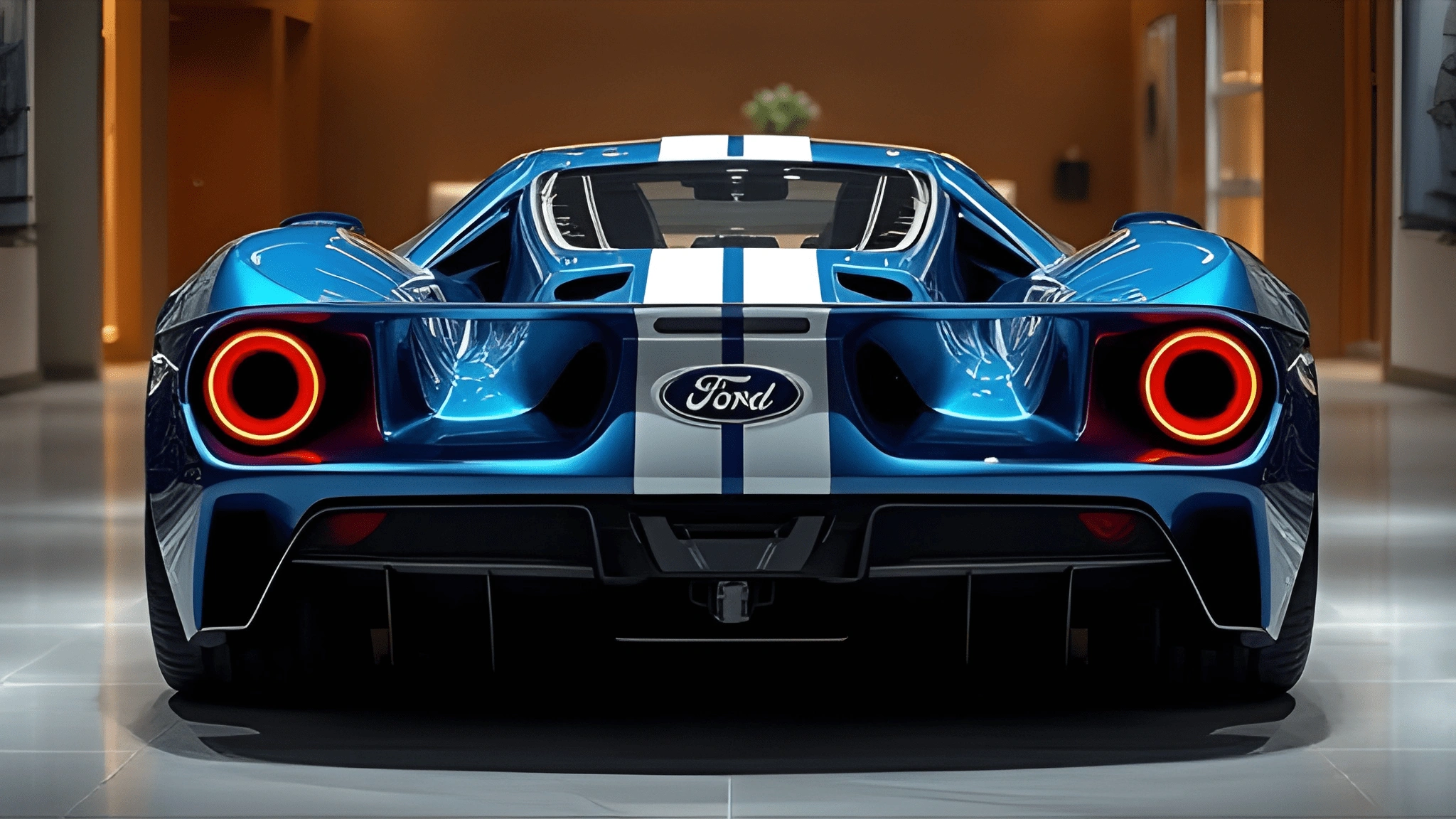
The Ford GT40 stands as one of the most legendary machines in automotive history. Created with a single mission to defeat Ferrari at Le Mans, the GT40 became a symbol of American engineering dominance and racing passion. Decades later, it remains a masterpiece admired by enthusiasts, collectors, and motorsport fans worldwide. This review explores what made the GT40 a revolutionary car, both on the track and in the automotive world.
The Story Behind the GT40’s Creation
The Ford GT40 was born from rivalry and ambition. After a failed attempt to buy Ferrari in the 1960s, Ford set out to beat them at their own game: endurance racing. With collaboration between Ford engineers, Carroll Shelby, and several motorsport legends, the GT40 became a purpose-built race car capable of enduring 24 hours of relentless competition. The project delivered results that changed racing forever.

| Category | Details |
|---|---|
| Engine | 4.7L to 7.0L V8 (various versions) |
| Top Speed | Around 330 km/h in race trim |
| Le Mans Wins | Four consecutive wins (1966 to 1969) |
| Layout | Mid-engine rear-wheel drive |
Design That Combined Beauty and Aerodynamics
The GT40’s design was low, sleek, and aerodynamic, giving it the unmistakable silhouette that inspired its “40” name, referring to its height of 40 inches. Every element of the car was engineered for speed. From the long nose to the wide stance and lightweight body panels, the design maximized airflow and stability at high speeds. Even today, its styling remains one of the most admired in automotive history.
A Race-Bred Engine Built to Dominate
Under the rear decklid of the GT40 sat a powerful V8 engine, ranging from 4.7 liters to a massive 7.0-liter unit in later versions. The larger engine produced extreme power, enabling the GT40 to reach speeds over 320 km/h. Its balance of torque, endurance, and reliability made it unbeatable in long-distance racing. The engine’s aggressive roar became an unmistakable part of motorsport folklore.

Handling and Performance That Made History
The GT40 was engineered for endurance racing, meaning its performance was not just about speed but consistency. It offered exceptional cornering stability, superior braking, and unmatched stamina during long racing hours. The mid-engine layout gave it near-perfect weight distribution, helping drivers maintain control even under harsh racing conditions. This performance combination allowed the GT40 to secure four straight Le Mans victories.
Interior Built with a Racer’s Focus
Unlike modern supercars, the GT40’s interior was minimalistic, with a focus solely on racing functionality. Lightweight materials, essential gauges, bucket seats, and a compact cockpit delivered the pure, unfiltered driving experience. Although not built for comfort, the cockpit layout represented the era’s racing philosophy: everything for speed, nothing for distraction.

Le Mans Success That Changed Motorsport Forever
The GT40 achieved what many thought was impossible. In 1966, it took the top three positions at Le Mans, making history for American motorsport. The victories continued in 1967, 1968, and 1969, establishing the GT40 as one of the greatest endurance race cars ever built. These wins reshaped how car manufacturers approached performance engineering and competition strategy.
The GT40’s Legacy in Modern Supercars
The influence of the GT40 lives on in modern Ford supercars, especially the Ford GT models introduced in 2005 and 2017. These supercars carry forward the heritage of aerodynamics, lightweight engineering, and track-ready performance. The GT40’s legacy remains unmatched, inspiring both automotive design and Hollywood storytelling, including its celebrated role in “Ford v Ferrari.”

Why the Ford GT40 Remains a Collector’s Dream
Original GT40s are extremely rare and valuable, often selling for millions at auctions. Their racing history, engineering brilliance, and cultural significance make them one of the most desirable classic cars in the world. Replicas and continuation models allow enthusiasts to experience the GT40 spirit without the multimillion-dollar price tag.
Conclusion: The Ford GT40 is not just a car; it is a historic achievement that changed motorsport and solidified America’s presence on the world racing stage. With its timeless design, unmatched performance, and legendary Le Mans victories, the GT40 remains a symbol of what determination, innovation, and passion can create.

Disclaimer: Specifications are based on historical data and documented race records.